

Environmental protection has become a global priority as industries expand and urbanization continues to grow. Industrial development, transportation, agriculture, and human activities have significantly increased the amount of pollutants released into the environment. These pollutants can affect air, water, and soil quality, ultimately impacting ecosystems and human health.
Environmental testing plays a critical role in identifying and controlling pollution. Through scientific laboratory analysis, environmental testing helps monitor contamination levels, detect harmful substances, and ensure compliance with environmental regulations. It supports industries, governments, and organizations in maintaining environmental safety and sustainability.
In this article, we will explore the importance of environmental testing, the types of environmental analysis performed by laboratories, and how it helps control pollution and protect natural resources.
What Is Environmental Testing?
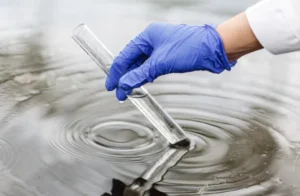
Environmental testing is the process of analyzing environmental samples such as water, soil, air, and waste materials to identify pollutants and assess environmental quality. These tests help determine whether environmental conditions meet regulatory standards and whether industrial activities are affecting natural ecosystems.
Environmental testing laboratories use advanced analytical instruments and scientific techniques to measure various parameters. The results help authorities and industries understand environmental conditions and take appropriate corrective actions when necessary.
Why Environmental Testing Is Important
Environmental testing is essential for maintaining a healthy environment and ensuring sustainable development. Several important factors make environmental testing necessary.
Monitoring Pollution Levels
One of the main purposes of environmental testing is to monitor pollution levels in air, water, and soil. Industrial waste, chemical discharge, and agricultural runoff can introduce harmful substances into the environment.
Regular testing helps identify the presence and concentration of pollutants, allowing authorities to control pollution before it becomes harmful.
Protecting Public Health
Environmental pollution can affect human health in many ways. Contaminated water, polluted air, and toxic soil can lead to serious health problems including respiratory diseases, infections, and long term health risks.
Environmental testing helps detect these hazards early and ensures that environmental conditions remain safe for communities.
Supporting Regulatory Compliance
Environmental regulations require industries to monitor their environmental impact and ensure that their operations do not harm natural resources. Environmental testing helps industries comply with these regulations and avoid legal issues.
Testing also provides documented evidence that environmental standards are being followed.
Promoting Sustainable Development
Sustainable development requires balancing economic growth with environmental protection. Environmental testing provides valuable data that helps industries adopt safer practices and reduce environmental damage.
This approach ensures long term sustainability for future generations.
Key Areas of Environmental Testing
Environmental laboratories analyze various environmental samples to assess pollution levels and environmental quality.
Water Testing
Water bodies such as rivers, lakes, and groundwater sources are vulnerable to pollution from industrial discharge and sewage waste. Water testing helps identify chemical pollutants, heavy metals, and microbial contamination.
These tests ensure that water sources remain safe for human use and aquatic life.
Soil Testing
Soil testing evaluates the presence of contaminants in soil samples. Industrial waste, agricultural chemicals, and environmental pollution can affect soil quality.
Soil analysis helps determine whether soil is suitable for agriculture, construction, or environmental restoration.
Waste Water Testing
Industries generate waste water during manufacturing processes. Waste water testing ensures that industrial discharge does not harm the environment.
Laboratories analyze parameters such as chemical composition, biological contamination, and pollutant concentration to ensure compliance with environmental regulations.
Air Quality Testing
Air pollution is another major environmental concern. Air quality testing measures pollutants such as particulate matter, carbon monoxide, sulfur dioxide, and nitrogen oxides.
Monitoring air quality helps identify pollution sources and develop strategies to improve air conditions.
Common Environmental Pollutants
Environmental testing helps identify different types of pollutants that may affect ecosystems and human health.
Heavy Metals
Heavy metals such as lead, mercury, arsenic, and cadmium can contaminate water and soil. These metals are toxic even at low concentrations and may cause serious health problems.
Industrial Chemicals
Industries often use chemicals during manufacturing processes. If not properly managed, these chemicals can contaminate the environment.
Environmental testing helps detect chemical residues and ensure safe disposal practices.
Agricultural Chemicals
Fertilizers and pesticides used in agriculture can enter water sources through runoff. These chemicals may affect aquatic life and contaminate drinking water supplies.
Biological Contaminants
Microorganisms such as bacteria and algae may grow in polluted water bodies. Some of these organisms produce toxins that harm aquatic ecosystems and human health.
Role of Environmental Testing Laboratories
Environmental testing laboratories play an important role in pollution control and environmental protection. These laboratories conduct scientific analysis and provide accurate reports on environmental conditions.
Laboratories follow strict quality control procedures and use advanced instruments to ensure reliable results. Environmental testing reports help industries and regulatory authorities make informed decisions regarding pollution control and environmental management.
Technologies Used in Environmental Testing
Modern environmental laboratories use advanced technologies to analyze environmental samples accurately.
Some commonly used technologies include:
- Gas chromatography for chemical analysis
- Mass spectrometry for identifying chemical compounds
- Spectrophotometry for measuring chemical concentrations
- Microbiological testing methods for detecting microorganisms
These technologies allow laboratories to detect even small quantities of pollutants, improving the accuracy of environmental monitoring.
Benefits of Environmental Testing
Environmental testing provides several benefits for industries, communities, and ecosystems.
Pollution Prevention
Testing helps identify pollution sources early and allows industries to take corrective actions before environmental damage occurs.
Environmental Protection
Monitoring environmental conditions helps protect natural ecosystems and biodiversity.
Improved Public Health
Environmental testing helps reduce exposure to harmful pollutants and improves community health.
Regulatory Compliance
Industries must follow environmental regulations to operate legally. Testing helps them maintain compliance and avoid penalties.
Environmental Responsibility for Industries
Industries play a major role in environmental protection. Responsible environmental management includes monitoring waste discharge, reducing emissions, and implementing sustainable practices.
Environmental testing helps industries evaluate their environmental impact and adopt safer technologies and waste management strategies.
By following responsible practices, industries can reduce pollution and contribute to environmental sustainability.
Future of Environmental Testing
Environmental testing continues to evolve as new technologies and monitoring systems are developed. Automation, remote sensing, and digital monitoring tools are improving the efficiency of environmental analysis.
These advancements allow laboratories to deliver faster results and provide more accurate environmental data.
In the future, environmental testing will play an even greater role in pollution control, climate monitoring, and sustainable development.
Conclusion
Environmental testing is a vital tool for monitoring pollution and protecting natural resources. Through scientific laboratory analysis, environmental testing helps detect contaminants, assess environmental conditions, and ensure compliance with environmental regulations.
Regular environmental testing supports public health, promotes sustainable development, and helps industries operate responsibly. As environmental challenges continue to grow, reliable environmental testing will remain essential for maintaining a healthy and sustainable planet.