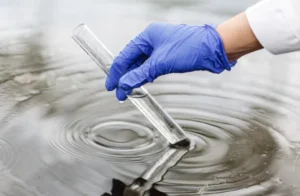


Water is one of the most important natural resources on earth. It is essential for drinking, agriculture, industrial processes, and environmental sustainability. However, the quality of water can be affected by pollution, chemical contamination, and microbial growth. Because of this, regular water quality testing is necessary to ensure that water remains safe for human use and industrial applications.
Water testing helps identify harmful contaminants and ensures that water meets regulatory safety standards. Through laboratory analysis, scientists can evaluate the chemical, physical, and microbiological properties of water. This process helps detect pollution, maintain environmental balance, and protect public health.
In this article, we will explore the importance of water quality testing, the types of contaminants found in water, and how laboratory analysis helps ensure safe and reliable water supply.
Why Water Quality Testing Is Important
Water contamination can occur from many sources including industrial waste, agricultural chemicals, sewage discharge, and environmental pollution. Without proper testing, harmful substances may remain undetected and pose serious health risks.
Regular water testing is essential for several reasons.
Protecting Public Health
Contaminated water can cause various diseases and health problems. Bacteria, viruses, parasites, and harmful chemicals present in water can lead to illnesses such as diarrhea, cholera, and other waterborne diseases.
Laboratory testing helps detect these contaminants early and ensures that drinking water remains safe for consumption.
Ensuring Safe Drinking Water
Drinking water must meet strict safety standards to protect human health. Water testing laboratories analyze drinking water samples to check for microbial contamination, chemical pollutants, and physical impurities.
These tests help confirm whether water is safe for consumption or requires treatment.
Supporting Industrial Processes
Many industries depend on water for manufacturing, cooling systems, cleaning processes, and product formulation. Poor water quality can damage machinery, affect product quality, and increase maintenance costs.
Regular water testing helps industries maintain proper water standards and prevent operational issues.
Environmental Protection
Water bodies such as rivers, lakes, and groundwater sources can be affected by industrial discharge, agricultural runoff, and urban waste. Environmental water testing helps monitor pollution levels and maintain ecological balance.
This testing ensures that industries comply with environmental regulations and avoid harmful environmental impacts.
Common Contaminants Found in Water
Water may contain various contaminants that affect its safety and quality. Laboratory testing helps identify these substances and determine their concentration levels.
Microbial Contaminants
Microorganisms are one of the most common causes of water contamination. Harmful bacteria and viruses can enter water sources through sewage, animal waste, and environmental pollution.
Common microbial contaminants include:
- E. coli
- Salmonella
- Coliform bacteria
- Giardia
- Cryptosporidium
These microorganisms can cause serious health problems if present in drinking water.
Chemical Contaminants
Chemical substances may enter water sources through industrial waste, agricultural chemicals, or natural geological processes.
Common chemical contaminants include:
- Pesticides
- Nitrates and nitrites
- Heavy metals such as lead, arsenic, and mercury
- Industrial chemicals
- Detergents and solvents
Chemical testing helps determine whether these substances exceed safe limits.
Physical Contaminants
Physical contaminants affect the appearance and clarity of water. These include suspended particles, sediments, and organic matter.
While physical contaminants may not always be harmful, they can indicate potential pollution or poor water treatment.
Biological Contaminants
Biological contaminants include algae, bacteria, fungi, and other living organisms that may grow in water. Some of these organisms can produce toxins that affect human health and aquatic ecosystems.
Laboratory analysis helps detect these organisms and evaluate water quality.
Types of Water Quality Testing
Water testing laboratories perform different types of tests depending on the purpose of analysis and the type of water sample.
Chemical Analysis
Chemical testing determines the presence of dissolved substances and chemical pollutants in water. Laboratories analyze parameters such as pH levels, dissolved oxygen, hardness, and chemical composition.
This testing helps identify harmful chemicals and ensures that water meets safety standards.
Microbiological Testing
Microbiological testing focuses on identifying bacteria, viruses, and other microorganisms present in water samples. Laboratories use specialized techniques to detect microbial contamination.
This testing is particularly important for drinking water safety.
Physical Testing
Physical testing evaluates visible characteristics of water such as color, odor, turbidity, and temperature. These parameters help determine the overall quality of water.
Changes in physical properties may indicate contamination or environmental pollution.
Waste Water Testing
Industries generate waste water during manufacturing processes. Waste water testing helps analyze pollutants and ensures that industrial discharge complies with environmental regulations.
This testing is essential for protecting natural water resources.
Importance of Water Testing for Industries
Industrial sectors rely heavily on water for various applications. Poor water quality can lead to equipment damage, production issues, and regulatory violations.
Water testing helps industries maintain operational efficiency and comply with environmental standards.
Preventing Equipment Damage
Water containing minerals or chemical contaminants can cause corrosion, scaling, and clogging in industrial equipment. Testing helps identify these substances and allows industries to treat water before use.
Maintaining Product Quality
Many industries such as food processing, pharmaceuticals, and beverages require high-quality water for production. Testing ensures that water used in manufacturing meets required quality standards.
Ensuring Environmental Compliance
Industries must follow environmental regulations regarding water usage and waste water discharge. Laboratory testing helps monitor water quality and ensures compliance with regulatory requirements.
Role of Accredited Laboratories in Water Testing
Accredited laboratories follow strict testing protocols and use advanced analytical instruments to ensure accurate results. These laboratories operate under internationally recognized quality standards and maintain controlled testing environments.
Accredited laboratories offer several advantages:
- Accurate and reliable analytical results
- Compliance with regulatory standards
- Advanced laboratory equipment
- Qualified scientists and analysts
These factors help ensure that water testing results are trustworthy and suitable for regulatory purposes.
Modern Technologies Used in Water Testing
Advancements in laboratory technology have improved the accuracy and efficiency of water testing. Modern laboratories use sophisticated instruments and techniques to analyze water samples.
Some commonly used technologies include:
- Chromatography techniques
- Spectrophotometry
- Atomic absorption spectroscopy
- Microbiological culture methods
These technologies allow laboratories to detect even very small quantities of contaminants, ensuring higher accuracy in water analysis.
Benefits of Regular Water Testing
Regular water testing provides several important benefits for individuals, industries, and communities.
Early Detection of Contamination
Testing helps identify contaminants before they reach dangerous levels. Early detection allows timely corrective actions.
Improved Water Treatment
Testing results help determine the most effective water treatment methods.
Public Health Protection
Safe drinking water reduces the risk of waterborne diseases and improves community health.
Environmental Sustainability
Monitoring water quality helps maintain ecological balance and protects natural water resources.
Future of Water Quality Monitoring
Water quality monitoring is becoming increasingly important due to population growth, industrial expansion, and climate change. Laboratories are adopting new technologies such as automated monitoring systems and rapid testing methods to improve efficiency.
These advancements will help laboratories deliver faster and more accurate results, ensuring better water safety management.
Conclusion
Water quality testing is essential for protecting public health, supporting industrial operations, and maintaining environmental sustainability. Through laboratory analysis, scientists can identify harmful contaminants and ensure that water meets safety standards.
Regular testing helps detect pollution, improve water treatment processes, and maintain regulatory compliance. As water resources become increasingly valuable, reliable water testing systems will continue to play a critical role in ensuring safe and sustainable water supply for future generations.