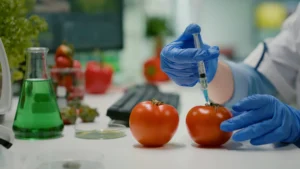


Food safety is one of the most important aspects of public health. Every day millions of people consume packaged foods, fresh produce, dairy products, meat, and processed food items. While food production and distribution systems have become highly advanced, the risk of contamination, adulteration, and quality issues still exists. This is where laboratory testing plays a crucial role.
Laboratory testing helps ensure that food products meet safety standards before they reach consumers. Through scientific analysis, laboratories identify harmful substances, detect microbial contamination, and verify the quality of food products. Accurate food testing protects consumers, supports food manufacturers, and ensures compliance with regulatory standards.
In this article, we will explore the importance of laboratory testing in food safety, the types of tests involved, and how it helps maintain quality in the food industry.
Why Food Safety Testing Is Essential
Food products can become contaminated at many stages, including farming, processing, packaging, transportation, and storage. Without proper testing, harmful substances or microorganisms may go unnoticed and reach consumers.
Laboratory testing helps detect these risks early. It ensures that food products are safe, hygienic, and suitable for consumption.
Food safety testing is important for several reasons:
Protecting Consumer Health
The primary objective of food testing is to protect consumers from foodborne illnesses. Contaminated food may contain bacteria, toxins, pesticides, or chemical residues that can cause serious health problems.
Laboratory testing identifies these contaminants before products enter the market.
Ensuring Regulatory Compliance
Governments and food safety authorities establish strict regulations to maintain food quality. Food manufacturers must comply with these standards to legally sell their products.
Laboratory testing ensures that food products meet regulatory requirements set by authorities such as FSSAI and other international food safety organizations.
Maintaining Product Quality
Food testing does not only focus on safety but also evaluates product quality. It helps determine factors such as nutritional content, shelf life, moisture levels, and ingredient composition.
This ensures that consumers receive products that match the manufacturer’s claims.
Preventing Product Recalls
Food recalls can damage a company’s reputation and cause financial losses. Laboratory testing helps manufacturers identify potential risks early, preventing defective or unsafe products from reaching the market.
Common Risks in Food Products
Several factors can affect food safety and quality. Laboratory testing helps identify and control these risks.
Microbial Contamination
Microorganisms such as bacteria, viruses, and fungi can contaminate food products. Some of the most common harmful bacteria found in food include:
- Salmonella
- E. coli
- Listeria
- Staphylococcus
These microorganisms can cause food poisoning and serious health issues if consumed.
Microbiological testing helps detect these harmful organisms and ensures that food products remain safe for consumption.
Chemical Contamination
Food products may contain harmful chemicals due to pesticides, fertilizers, preservatives, or environmental pollution.
Chemical testing helps detect:
- Pesticide residues
- Heavy metals
- Artificial additives
- Toxic substances
This type of testing ensures that chemical levels remain within safe limits.
Adulteration
Food adulteration occurs when inferior or harmful substances are added to food products. This practice may reduce product quality or pose health risks.
Laboratory testing helps identify adulterants in products such as milk, spices, oils, and processed foods.
Nutritional Inaccuracy
Food manufacturers often provide nutritional information on packaging. Laboratory testing verifies whether the nutritional values mentioned on labels are accurate.
This includes testing for:
- Protein content
- Fat levels
- Carbohydrates
- Vitamins and minerals
Types of Food Laboratory Testing
Food testing laboratories perform several types of scientific analyses to evaluate food safety and quality.
Chemical Testing
Chemical testing identifies the presence of harmful substances in food products. It helps detect contaminants such as pesticide residues, heavy metals, and toxins.
This testing ensures that food products comply with safety regulations and do not contain harmful chemicals.
Microbiological Testing
Microbiological testing focuses on identifying microorganisms present in food samples. Laboratories use specialized techniques to detect bacteria, yeast, molds, and other microbes.
This type of testing is essential for preventing foodborne diseases.
Nutritional Testing
Nutritional testing measures the composition of food products to determine their nutritional value. This includes analyzing protein, fat, carbohydrate, fiber, vitamins, and minerals.
This testing helps manufacturers provide accurate nutritional information to consumers.
Shelf Life Testing
Shelf life testing determines how long a food product remains safe and suitable for consumption. Laboratories analyze how products react to different storage conditions and environmental factors.
This testing helps manufacturers determine expiration dates and storage guidelines.
Contaminant Testing
Contaminant testing focuses on identifying harmful substances that may accidentally enter food products during production or storage.
These contaminants may include:
- Pesticide residues
- Heavy metals
- Industrial chemicals
- Environmental pollutants
Role of Accredited Laboratories
Food testing must be conducted by qualified and accredited laboratories to ensure reliable results. Accredited laboratories follow strict quality standards and use advanced analytical instruments.
These laboratories maintain controlled environments and validated testing methods to produce accurate results.
Accredited laboratories provide several benefits:
- Reliable and scientifically validated results
- Compliance with national and international standards
- Advanced testing equipment and technology
- Experienced scientists and analysts
These factors ensure that food testing results are trustworthy and recognized by regulatory authorities.
Importance of Modern Testing Technologies
Modern food testing laboratories use advanced scientific instruments and analytical technologies to improve testing accuracy and efficiency.
Some commonly used technologies include:
- Chromatography techniques
- Spectrophotometry
- Mass spectrometry
- Microbiological culture methods
These technologies help detect even small traces of contaminants, ensuring a higher level of food safety.
Advanced equipment also allows laboratories to analyze multiple parameters in a single sample, improving efficiency and reliability.
Benefits of Food Testing for the Food Industry
Food manufacturers benefit significantly from regular laboratory testing. It helps them maintain product quality, build consumer trust, and comply with regulations.
Some key benefits include:
Quality Assurance
Testing ensures that products meet consistent quality standards before reaching the market.
Brand Reputation
Food companies that prioritize safety and quality gain the trust of consumers and maintain a strong reputation.
Regulatory Approval
Laboratory testing helps manufacturers obtain approvals and certifications required by regulatory authorities.
Risk Management
Testing helps detect potential risks early, reducing the chances of product recalls or safety issues.
Future of Food Safety Testing
The food industry continues to evolve, and new safety challenges emerge due to global supply chains and increasing production demands. As a result, food testing laboratories must continuously adopt new technologies and improve testing methods.
Innovations such as rapid testing kits, automation, and advanced analytical techniques are helping laboratories deliver faster and more accurate results.
These advancements will continue to strengthen food safety systems and improve consumer protection.
Conclusion
Laboratory testing plays a vital role in ensuring food safety and protecting public health. Through scientific analysis, food testing laboratories identify contaminants, verify product quality, and ensure compliance with safety regulations.
From microbiological analysis to chemical testing and nutritional evaluation, laboratory testing helps maintain high standards in the food industry. It also supports manufacturers in delivering safe and reliable food products to consumers.
As food production continues to expand globally, the role of laboratory testing will become even more important. Reliable food testing systems will remain essential for maintaining safety, quality, and trust in the food supply chain.